
What Vaccines Do Dogs Need Yearly? A Veterinarian’s Guide
A dog races across the yard, tail high, nose to the ground, completely unaware of the invisible risks in the world around them. Bacteria, viruses, and parasites exist in everyday environments, from parks to sidewalks to water sources. Pet owners often ask, “What vaccines do dogs need yearly?”, especially when their dog looks perfectly healthy. The answer centers on protection, prevention, and planning with a veterinarian who understands local disease risks. Annual vaccination visits allow veterinary teams to reassess lifestyle changes, exposure levels, and age-related health factors. At Best Care Animal Hospital in New Port Richey, we guide families through evidence-based vaccination schedules designed for Florida’s environment. Understanding which dog vaccines are recommended each year helps you make confident decisions and stay ahead of preventable illness.
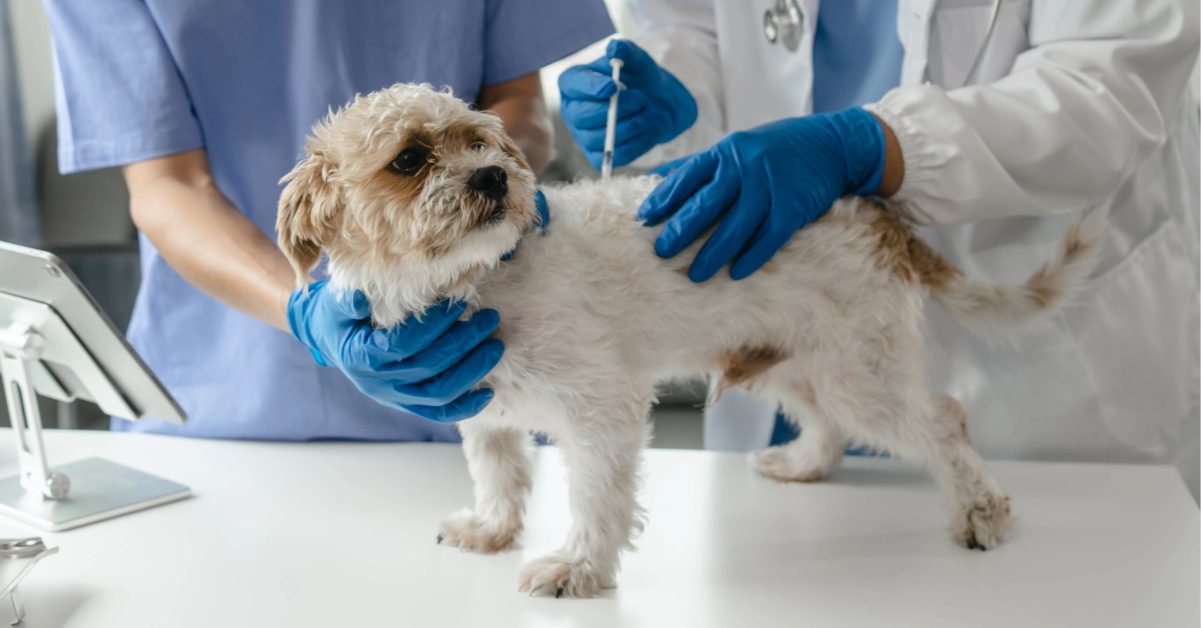
Core vs. Non-Core Dog Vaccines
When discussing what vaccines dogs need yearly, veterinarians separate immunizations into core and non-core categories. Core vaccines protect against diseases that pose a serious risk to most dogs, regardless of lifestyle or location. Non-core vaccines address conditions tied to specific environments, regional threats, or individual exposure. This distinction allows veterinarians to tailor protection without giving unnecessary vaccines.
Core immunizations have a long track record of preventing severe illness, long-term complications, and outbreaks within communities. Non-core vaccines fill in the gaps based on where a dog spends time, how they interact with other animals, and whether they travel. Understanding this framework makes annual vaccine conversations more productive and focused.
Core Vaccines Explained
Core vaccines typically include rabies, distemper, adenovirus (hepatitis), and parvovirus. These diseases can spread rapidly and may lead to life-threatening complications. Rabies remains a public health concern because it affects animals and humans, and vaccination is required by law in most areas. Distemper targets multiple body systems, including respiratory, neurological, and gastrointestinal tissues. Parvovirus causes severe gastrointestinal disease, particularly in young or unvaccinated dogs. Adenovirus can lead to liver disease and respiratory issues. These vaccines form the foundation of yearly protection and play a central role when evaluating what vaccines dogs need yearly.
Understanding Non-Core Vaccines
Non-core vaccines depend on a dog’s lifestyle, environment, and local disease prevalence. These may include leptospirosis, Bordetella (kennel cough), canine influenza, and Lyme disease. Dogs that visit boarding facilities, dog parks, groomers, or daycare centers face increased exposure to respiratory infections. Dogs with access to standing water, wildlife, or outdoor environments may benefit from leptospirosis vaccination. Lyme disease risk rises in tick-prone areas or for dogs that hike or spend time in wooded regions. Discussing these factors during annual exams allows veterinarians to refine protection strategies. This individualized approach ensures vaccine plans match real-world risk rather than a one-size-fits-all schedule.
Recommended Annual Vaccines for Dogs
Pet owners frequently wonder, “What vaccines do dogs need yearly?” because they want clarity, not confusion. While some core vaccines last multiple years after the initial series, veterinarians still evaluate immunity and timing at yearly visits. Rabies vaccination schedules follow state and local regulations, which often require booster doses on a defined timeline. Leptospirosis vaccines usually require annual boosters to maintain protection. Bordetella vaccines often follow a yearly or biannual schedule depending on exposure risk. Canine influenza vaccines may also require regular boosters in areas where outbreaks occur. Each of these vaccines supports different aspects of disease prevention.
Rabies Vaccination
Rabies vaccination protects both pets and people. The virus affects the nervous system and proves fatal once symptoms appear. Laws require rabies vaccination, and proof is necessary for licensing, boarding, and travel. Annual veterinary visits confirm that rabies protection remains current and documented. Even indoor dogs need this vaccine because wildlife exposure can occur unexpectedly. Maintaining rabies vaccination protects the broader community and reduces public health risks. This vaccine remains a key part of discussions about yearly dog vaccines.
Leptospirosis Protection
Leptospirosis bacteria thrive in warm, moist environments, making Florida an important region for prevention. Dogs contract leptospirosis through contaminated water or soil, often from wildlife urine. The disease can affect kidneys and liver, leading to serious illness. Because immunity does not last as long as some core vaccines, yearly boosters are common. Dogs who walk through puddles, drink from outdoor water sources, or encounter wildlife face higher exposure. Veterinarians assess environmental risk and recommend vaccination accordingly. This vaccine plays a major role when reviewing what vaccines dogs need yearly in subtropical regions.
Bordetella and Respiratory Disease Vaccines
Bordetella bronchiseptica contributes to kennel cough, a contagious respiratory illness. Dogs in social settings have a higher chance of exposure. Boarding facilities, dog parks, and training classes often require proof of vaccination. Symptoms include coughing, nasal discharge, and lethargy. Annual or semiannual boosters help maintain immunity, depending on lifestyle. Veterinarians consider travel, grooming frequency, and social habits when advising on this vaccine. Respiratory disease prevention becomes especially important for dogs who interact with many others.
Canine Influenza Considerations
Canine influenza spreads through respiratory droplets and close contact. Outbreaks can occur in communities where dogs gather. Symptoms may resemble kennel cough but can progress to more severe respiratory disease. Annual boosters help sustain protection where the virus circulates. Dogs that attend daycare, boarding facilities, or events often benefit most. Vaccination reduces the severity and spread of disease during outbreaks. Veterinarians monitor regional trends to determine necessity.
Why Yearly Vaccinations Are Important
Yearly vaccine visits offer more than a quick injection. These appointments allow veterinarians to track changes in health, lifestyle, and risk exposure. Immunity can wane over time, especially with certain vaccines. Booster doses stimulate the immune system and help maintain protection. Annual visits also include physical exams that may identify concerns unrelated to vaccination. Early detection supports better outcomes and long-term wellness. Reviewing vaccination history each year ensures dogs remain protected without over-vaccination.
Monitoring Immune Response
A dog’s immune system changes with age, health status, and environment. Puppies, seniors, and dogs with medical conditions may respond differently to vaccines. Annual visits help veterinarians determine whether adjustments are needed. Lifestyle changes, such as moving to a new area or starting daycare, may increase exposure risk. Immune memory from prior vaccines requires periodic stimulation to remain effective. Veterinarians use medical history and risk assessment to guide booster timing. This process keeps vaccine plans aligned with real-life circumstances.
Community Disease Control
Vaccination helps reduce disease spread within neighborhoods and social settings. High vaccination rates create herd immunity, lowering outbreak risk. This protects vulnerable pets who cannot receive certain vaccines. Community-wide protection also limits public health risks with zoonotic diseases like rabies and leptospirosis. Annual vaccine compliance supports both individual and community health. Veterinarians play a central role in educating pet owners about this shared responsibility. Consistent vaccination practices strengthen overall disease prevention efforts.
Planning Your Dog’s Annual Vaccine Visit
Pet owners searching “What vaccines do dogs need yearly?” benefit most from personalized guidance. Every dog lives a unique life with different exposures, travel habits, and social interactions. Annual veterinary visits allow professionals to review history, discuss concerns, and adjust protection plans. Vaccination decisions rely on medical knowledge, regional disease patterns, and individual health factors. Clear communication helps families understand the purpose behind each recommendation. Staying proactive reduces the likelihood of preventable illness and unexpected complications. To schedule your dog’s yearly vaccine visit, call (727) 846-8899 or book an appointment with the team at Best Care Animal Hospital in New Port Richey, FL.
Recent Posts
About Us
Small description of the practice goes here - maybe pull from the About Us page?