
Dog Anesthesia Side Effects: Is It Safe for Your Pet?
A quiet exam room, a worried glance, and a question almost every pet owner asks at some point: Is anesthesia safe for my dog? When your companion needs a procedure, whether it is a dental cleaning, imaging, or surgery, anesthesia makes modern veterinary medicine possible. It allows veterinarians to keep dogs comfortable, still, and pain-free during care. At the same time, many families want more information about dog anesthesia side effects before moving forward. Understanding how anesthesia works, what reactions can occur, and how veterinary teams reduce risk helps you feel more confident about your dog’s care.
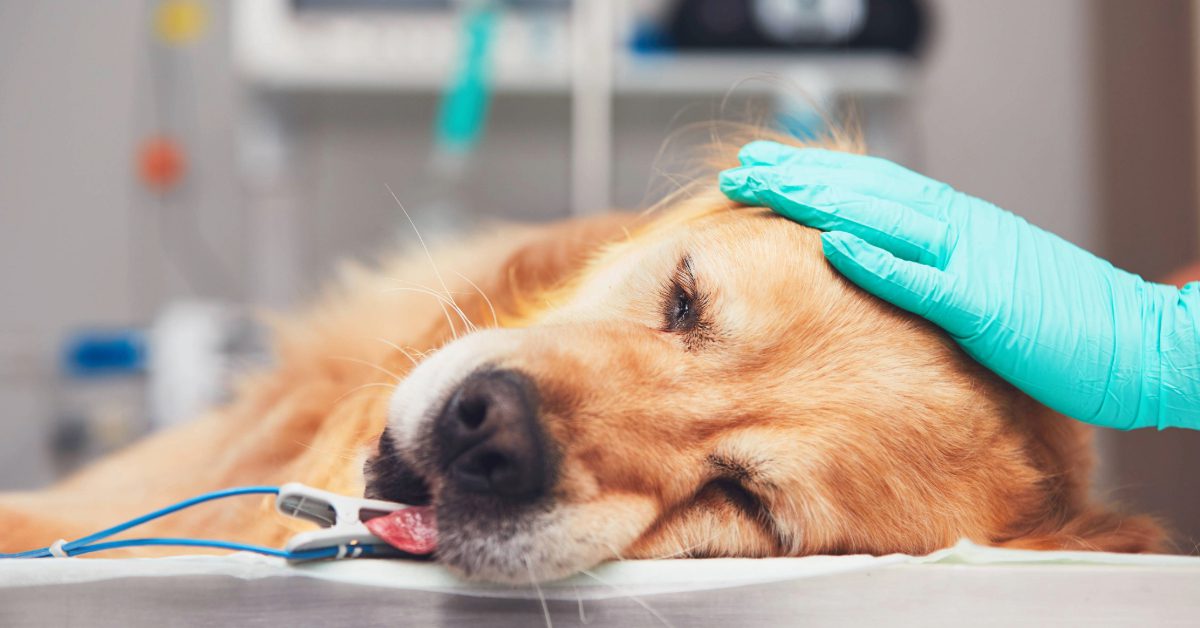
Common Side Effects of Dog Anesthesia
Veterinary anesthesia involves medications that affect the brain, heart, lungs, and muscles, so some short-term reactions can happen as your dog’s body processes those drugs. Most dog anesthesia side effects are mild and temporary, especially when a healthy dog undergoes a routine procedure. You may notice:
- Grogginess
- Slower responses
- A wobbly walk as your dog wakes up
- Sleeping more than usual
- Temporary lack of appetite
These effects happen because anesthesia alters the nervous system and takes time to wear off fully. Your veterinary team monitors these changes closely before sending your dog home.
Drowsiness and Disorientation
Drowsiness ranks among the most common side effects after anesthesia. Your dog may seem confused about where they are or react more slowly to voices and touch. Some dogs vocalize, whine, or appear restless as they regain awareness. These behaviors can look concerning but often reflect the transition from anesthesia to full alertness. Balance can also feel off, which explains the unsteady walking you may see. This stage typically improves steadily over several hours. Clear instructions from your veterinary team help you know what to expect during this recovery window.
Upset Stomach or Appetite Changes
Nausea and reduced appetite can occur after anesthesia, especially if medications affect the stomach or if your dog feels mildly stressed. You might see lip licking, drooling, or brief vomiting in some cases. Many dogs skip a meal and return to normal eating habits the next day. Anesthesia can slow gut movement for a short time, which explains mild digestive changes. Your veterinary team considers these possibilities when planning medications. Monitoring eating and drinking patterns helps ensure recovery stays on track. Contacting your veterinarian if vomiting or refusal to eat continues remains important.
Temporary Behavior Changes
Some dogs act clingier, quieter, or more reactive for a day or two. Others may seem unusually calm or sleepy. These changes reflect how anesthesia interacts with the brain and nervous system. Stress from the clinic visit can also play a role. Most behavior returns to normal as the drugs leave the body. Owners sometimes worry these personality shifts will last, but that rarely happens. Open communication with your veterinary team provides reassurance if something feels different than expected.
How Safe Is Anesthesia for Dogs
Modern veterinary anesthesia has advanced significantly, and safety protocols now guide every step of care. Veterinarians assess your dog’s age, breed, health history, and the type of procedure before selecting medications. This individualized planning helps reduce the chance of serious dog anesthesia side effects. Monitoring equipment tracks heart rate, oxygen levels, blood pressure, breathing, and temperature throughout the procedure. A trained team member focuses solely on anesthesia monitoring, which adds another layer of safety. These measures allow the team to adjust medication levels in real time. As a result, anesthesia for dogs remains very safe in most situations.
Pre-Anesthetic Screening
Before anesthesia, veterinarians often recommend bloodwork and sometimes additional testing. These screenings evaluate organ function, including the liver and kidneys, which process anesthetic drugs. Detecting hidden conditions allows the team to adjust drug choices and dosages. For senior dogs or those with health concerns, this step becomes even more important. Screening does not eliminate risk completely, but it greatly improves safety. Pet owners who understand this process often feel more comfortable moving forward. Asking questions about test results helps you stay informed.
Monitoring During the Procedure
Continuous monitoring stands at the heart of anesthesia safety. Devices measure oxygen saturation, carbon dioxide levels, heart rhythm, and blood pressure. Body temperature also receives attention because dogs can cool down under anesthesia. A veterinary professional stays with your dog the entire time, watching trends and responding quickly. Adjustments to fluids, oxygen, or medication can happen instantly if needed. This level of attention mirrors the standards used in human medicine. It plays a key role in preventing complications.
Rare but Serious Risks
While most dogs experience only mild, short-term side effects, serious reactions can occur in rare cases. These may involve breathing difficulties, heart rhythm changes, or allergic responses to medications. Underlying health conditions increase the chance of complications. Veterinary teams prepare for these possibilities with emergency drugs and equipment. Early detection through monitoring makes rapid response possible. Discussing your dog’s specific risk factors with your veterinarian gives you the clearest picture of safety.
Post-Anesthesia Care for Dogs
Recovery does not end when the procedure finishes. Careful post-anesthetic monitoring helps your dog transition safely back to normal activity. Veterinary staff watch for stable breathing, heart rate, and temperature before discharge. They also ensure your dog can stand and swallow safely. Written instructions outline what to expect at home. Following those directions supports a smooth recovery. Owners play an important role during this stage.
What You May Notice at Home
Your dog may sleep more than usual and show low energy for the rest of the day. Mild coughing can occur if a breathing tube was used. Some dogs drink small amounts of water first, then gradually resume eating. Limited activity helps prevent injury while coordination improves. You may also see a shaved patch of fur from monitoring equipment or an IV catheter. These signs are normal parts of the anesthesia process. Observing your dog closely helps you recognize progress.
When to Call Your Veterinarian
Although most dog anesthesia side effects resolve quickly, certain signs warrant a call to your veterinarian. Persistent vomiting, extreme lethargy, difficulty breathing, pale gums, or ongoing disorientation should receive attention. Swelling at an IV site or signs of pain also matter. Trust your instincts if something feels unusual. Veterinary teams expect questions after anesthesia and welcome communication. Early reporting helps address concerns promptly.
Partner with Best Care Animal Hospital in Anesthesia Decisions
Questions about anesthesia often stem from love and concern, and that perspective matters. Talking openly with your veterinarian builds trust and clarity. At Best Care Animal Hospital in New Port Richey, our team evaluates each dog individually and explains the plan in clear terms. We discuss potential dog anesthesia side effects, safety steps, and what recovery looks like. This collaboration helps you make informed choices about your dog’s care. If your pet has an upcoming procedure or you have questions about anesthesia, call (727) 846-8899 to speak with our team or schedule an appointment.
Recent Posts
About Us
Small description of the practice goes here - maybe pull from the About Us page?