
Tick Under Dog’s Skin: What to Do and When to See a Vet
A small bump on your dog’s skin can stop you in your tracks, especially when you part the fur and realize a tick sits embedded beneath the surface. A tick under a dog’s skin refers to a parasite that has attached and burrowed its mouthparts into the skin to feed on blood. This situation concerns pet owners because ticks can transmit disease, cause inflammation, and lead to infection at the attachment site. Dogs in Florida face year-round tick exposure due to the warm climate, wooded areas, and tall grasses. Understanding what a tick under your dog’s skin looks like, why it happens, and when veterinary care becomes necessary helps you respond quickly and confidently. This guide walks you through what to watch for and how your veterinary team supports your dog’s health at every step.
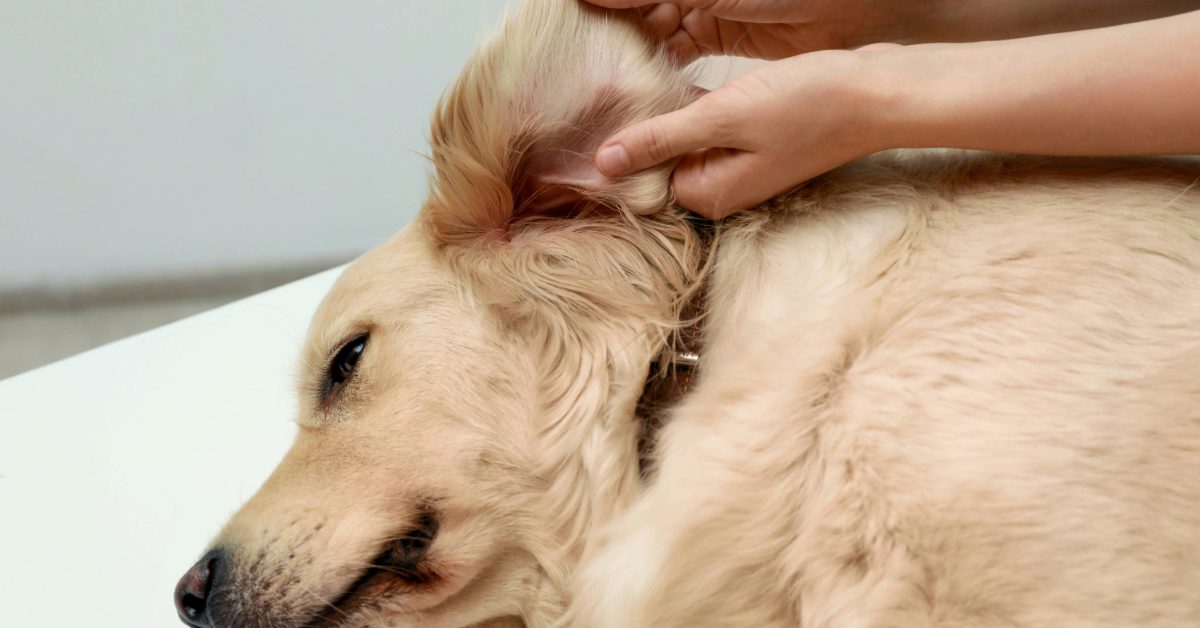
How to Identify a Tick Under Your Dog’s Skin
Spotting a tick under your dog’s skin requires close observation because ticks can resemble common skin growths. A tick often appears as a small, rounded lump that feels firm and slightly raised. As it feeds, the tick’s body enlarges and may look gray, brown, or bluish. You may notice the legs near the surface if the tick has not fully engorged, which helps distinguish it from a mole or skin tag. The area around the tick sometimes appears red or irritated due to the dog’s immune response. Dogs with thicker coats or long fur make ticks harder to detect, so routine hands-on checks play an important role.
Behavioral clues can also signal a tick under your dog’s skin. Dogs may lick, chew, or scratch at one area repeatedly. You might see mild swelling, tenderness, or scabbing where the tick is attached. Some dogs show no discomfort at all, which allows ticks to remain unnoticed for days. Early detection matters because the longer a tick stays attached, the higher the chance of disease transmission. Regular skin checks after outdoor time in New Port Richey, FL help you catch issues before they escalate.
Common Areas Where Ticks Hide
Ticks prefer warm, protected spots on a dog’s body. Ears, especially inside the ear flap, provide an ideal hiding place. The neck and collar area also attract ticks because fur stays dense and moist there. Ticks frequently attach between toes, under the legs, and around the groin. Eyelids and lips can host ticks as well, which surprises many pet owners. A thorough check means running your hands slowly over your dog’s body and feeling for unusual bumps.
Ticks vs. Other Skin Lumps
A tick under the dog’s skin often causes confusion because it mimics other skin conditions. Skin tags, cysts, warts, and small tumors can all feel similar at first touch. A key difference lies in the tick’s distinct body shape and possible leg movement. Skin growths remain part of the dog’s tissue, while ticks sit attached to the surface. Attempting to guess the difference without veterinary input can lead to irritation or incomplete removal. When in doubt, a professional exam provides clarity.
Dog Tick Removal and Treatment
Pet owners often search online for dog tick removal tips, but removing a tick incorrectly can leave mouthparts behind or irritate the skin. A tick under the dog’s skin anchors itself firmly, and improper handling increases the risk of infection. Veterinary professionals use proper tools and techniques that protect your dog’s skin and reduce complications. After removal, the team evaluates the bite site for inflammation, secondary infection, or signs of tick-borne disease. This approach focuses on the dog’s overall health rather than just removing the parasite.
The bite area may remain red or slightly swollen for a short time. Your veterinarian monitors healing and discusses whether further evaluation makes sense based on the tick’s appearance and how long it likely fed. In Florida, ticks can carry organisms linked to Lyme disease, ehrlichiosis, anaplasmosis, and other conditions. Early veterinary involvement allows prompt testing if symptoms develop. Professional care also includes discussing preventive options tailored to your dog’s lifestyle.
Why Professional Removal Matters
A tick’s mouthparts embed deeply, which makes complete removal important. Leaving fragments behind can trigger irritation or infection. Squeezing the tick’s body can push infectious material into the dog’s bloodstream. Veterinary teams remove ticks cleanly while minimizing stress. They also document the incident, which helps if symptoms appear later. This thorough approach supports both immediate and long-term care.
What Happens After Removal
After a tick under your dog’s skin gets removed, your veterinarian may recommend monitoring for changes. You should watch for fever, lethargy, joint stiffness, or appetite loss. These signs do not always appear, but awareness helps you act quickly. The bite site typically heals without issue when addressed promptly. Ongoing prevention becomes the next focus to reduce future risk.
When to See a Vet for Dog Ticks
Knowing when to see a vet for dog ticks helps prevent complications. You should schedule an appointment if the tick appears embedded or if you feel unsure about what you found. Veterinary care becomes especially important if the skin around the tick looks inflamed, oozing, or painful. Dogs that develop lethargy, fever, limping, or behavior changes after tick exposure need evaluation right away. These symptoms may indicate a reaction or a tick-borne illness. Early care improves outcomes and offers peace of mind.
Pet owners in New Port Richey, FL often encounter ticks during outdoor activities like hiking, backyard play, or visits to parks. Warm weather allows ticks to stay active throughout much of the year. A professional exam ensures no additional ticks remain hidden. Your veterinarian can also confirm whether the lump you noticed truly involved a tick. Clear answers reduce stress and help you move forward confidently.
Signs That Require Prompt Attention
Some signs call for quicker veterinary involvement. Swelling that spreads beyond the bite area deserves attention. Persistent pain, discharge, or a worsening wound suggests infection. Neurological signs, though rare, require urgent evaluation. Rapid breathing, weakness, or collapse always signal an emergency. Prompt action protects your dog’s safety.
Routine Checks Still Matter
Even when no symptoms appear, mentioning a tick under your dog’s skin during a routine visit remains helpful. Your veterinarian notes exposure history, which guides future decisions. Preventive conversations become more targeted when tick encounters occur. Consistent communication supports long-term wellness.
Protecting Your Dog From Future Tick Problems
Prevention reduces the likelihood of another tick under your dog’s skin.
- Providing year-round parasite control often makes sense in Florida’s climate.
- Keeping grass trimmed and limiting access to wooded edges lowers exposure.
- Checking your dog after outdoor time helps you catch ticks before they attach fully.
- Regular veterinary visits ensure preventive strategies match your dog’s needs and lifestyle. A proactive approach builds strong defense against parasites.
- Education plays an important role as well. Understanding tick habitats helps you avoid high-risk areas when possible.
- Staying aware of local tick trends also helps. Your veterinary team remains a reliable source of current information. Working together keeps your dog protected.
Partner With Your Veterinary Team for Expert Tick Care
A tick under a dog’s skin can look alarming, but prompt veterinary care makes a difference. Professional removal, thorough evaluation, and preventive guidance form a complete plan. Best Care Animal Hospital in New Port Richey, FL supports pet owners with attentive care and clear communication. If you find a tick or notice an unusual bump, call us at (727) 846-8899 or make an appointment to have your dog examined. Early action protects comfort and health while reducing the risk of complications. Your veterinary team stands ready to help you navigate tick concerns with confidence.
Recent Posts
About Us
Small description of the practice goes here - maybe pull from the About Us page?