
Signs of Infection After Cat Tooth Extraction: What to Watch For
A cat comes home after a dental procedure, a little sleepy, a little quiet, and ready to rest. Most recover smoothly after a tooth extraction, but pet owners often wonder what healing should look like and when something may be wrong. Understanding the signs of infection after cat tooth extraction helps you feel confident during recovery and act quickly if concerns arise. While mild swelling or temporary behavior changes can be expected, certain symptoms point to a developing problem that needs veterinary attention. This guide explains what to watch for, how infection differs from normal healing, and when to call for help. If you notice anything unusual, the team at Best Care Animal Hospital in New Port Richey can evaluate your cat promptly at (727) 846-8899.
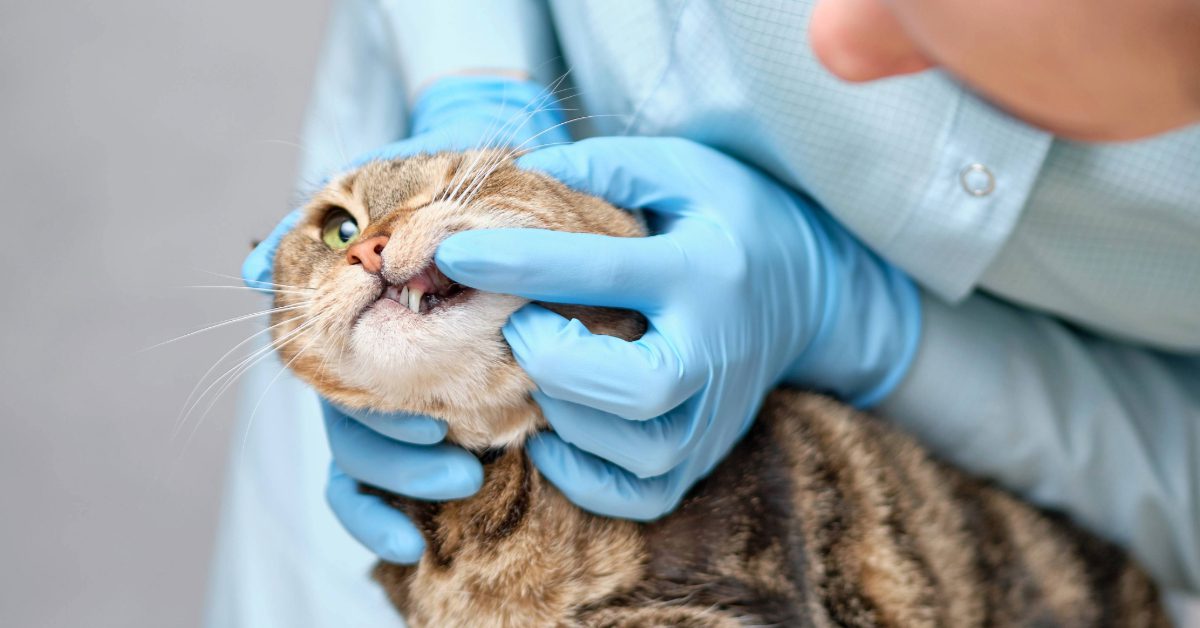
Common Post-Extraction Symptoms
Cats often show temporary changes after a dental extraction, and these do not always mean infection. Many cats feel groggy from anesthesia for the first 12–24 hours and may sleep more than usual. A reduced appetite for a day or two can occur, especially if the mouth feels tender. Mild swelling around the jaw or face can also appear, particularly after removal of a large or deeply rooted tooth. You may see small amounts of blood-tinged saliva during the first day, which typically fades as healing begins. Some cats paw lightly at their mouth or avoid hard food while the surgical site settles.
Healing tissue inside the mouth can look different from normal gum tissue. The extraction site may appear slightly red or puffy at first, and sutures may be visible depending on the procedure. Your cat may prefer softer foods or smaller bites for several days. Gentle drooling can happen briefly due to oral sensitivity. These post-dental changes should gradually improve rather than worsen. When symptoms linger or intensify, they can signal a complication rather than routine recovery.
Signs of Tooth Infection in Cats
An infection after a dental extraction develops when bacteria multiply in the surgical site or surrounding tissue. These infections often cause progressive symptoms rather than steady improvement. Cats tend to hide discomfort, so subtle behavior shifts matter. Watching closely during the first week after surgery helps you detect early warning signs. If you recognize patterns that differ from normal recovery, your veterinarian needs to assess the situation.
Persistent Swelling or Worsening Facial Changes
Swelling that increases instead of decreases raises concern. The area near the extraction site may look more enlarged or firm several days after surgery. Facial asymmetry can become more noticeable, especially around the cheek or under the eye if an upper tooth was removed. The skin may feel warm to the touch compared to surrounding areas. Swelling linked to infection can also cause visible discomfort when your cat eats or grooms. This type of progression suggests inflammation that goes beyond normal healing.
Discharge, Odor, or Visible Pus
Healthy healing tissue should not produce thick discharge. If you notice yellow, green, or cloudy fluid near the mouth, infection becomes more likely. A foul odor from your cat’s mouth after dental surgery can also indicate bacterial growth in the extraction site. While mild bad breath can follow oral procedures, a strong or worsening smell signals a problem. Dried discharge on the lips or chin may appear if drainage occurs while your cat sleeps. These changes require prompt veterinary evaluation.
Ongoing Bleeding
Light spotting during the first day may occur, but continued bleeding after the initial recovery period is not typical. Blood that reappears several days later can point to tissue breakdown or infection. You might see fresh blood in saliva, on bedding, or around the mouth. Repeated bleeding episodes deserve attention even if they seem minor. Excessive blood loss can also cause lethargy and weakness. Your veterinarian should examine the surgical area to identify the cause.
Pain That Increases Instead of Improves
Most cats grow more comfortable as days pass. If your cat becomes more sensitive, hides more, or resists touch around the face, pain may be escalating. Reluctance to eat soft food, dropping food, or vocalizing while chewing can signal oral discomfort linked to infection. Changes in grooming habits may also occur if the mouth hurts. Behavioral shifts often appear before obvious physical signs. Noting these differences helps your veterinary team understand what your cat is experiencing.
Behavioral and Systemic Warning Signs
Infection does not always stay limited to the mouth. Bacteria can affect the body more broadly, producing systemic symptoms. These signs often appear alongside oral changes. Paying attention to your cat’s overall energy and habits provides valuable clues.
Lethargy and Low Energy
A mild drop in activity may follow anesthesia, but persistent or worsening lethargy raises concern. Cats with infection may withdraw, sleep more than usual, or avoid interaction. You might notice less interest in toys or favorite resting spots. This type of fatigue often pairs with reduced appetite. When low energy continues beyond the expected recovery window, infection becomes a possibility.
Fever and Warmth
Cats with infection can develop a fever. You may not measure temperature at home, but you might feel warmth in the ears or notice your cat seeking cooler surfaces. Fever often causes decreased appetite and sluggish behavior. Shivering or unusual panting can also occur. These signs reflect the body’s response to bacteria. Veterinary examination can confirm the presence of fever and determine the cause.
Loss of Appetite or Difficulty Eating
A brief appetite dip may follow surgery, but refusal to eat after the first day deserves attention. Infection can make chewing painful, leading to food avoidance. Drooling while trying to eat or walking away from meals can occur. Some cats attempt to eat but drop food repeatedly. Weight loss can develop quickly in cats that stop eating. Prompt evaluation supports safe recovery.
When Should You Contact Your New Port Richey Vet?
Contact your veterinarian if symptoms fail to improve within a few days or if new issues appear. Worsening swelling, discharge, persistent bleeding, or strong odor should prompt a call right away. Behavioral changes such as hiding, refusing food, or increased irritability also warrant attention. Fever signs, ongoing drooling, or visible pain while eating should never be ignored. Early communication allows your veterinary team to assess healing and decide on the next steps. Waiting too long can allow infection to progress and become more serious.
Pet owners in the New Port Richey area can reach out to Best Care Animal Hospital at (727) 846-8899 for guidance or to schedule an exam. A veterinary professional can examine the mouth safely, evaluate the extraction site, and determine whether infection is present. Dental recovery varies between cats, so professional evaluation provides clarity and peace of mind. Your team can also review any discharge instructions and confirm that healing stays on track.
How Veterinary Teams Evaluate Post-Extraction Concerns
When you bring your cat in for evaluation, the veterinary team focuses on the extraction site and overall health. They examine gum tissue for swelling, discharge, or abnormal healing. They may check lymph nodes near the jaw, which can enlarge during infection. Assessment of body temperature, hydration, and general condition helps determine if the issue remains local or affects the whole body. Dental X-rays may be used in some cases to evaluate bone and root areas. This thorough approach helps identify the cause of symptoms and guide appropriate care.
Cats often mask pain, so professional assessment carries extra value. Veterinary teams also consider the type of tooth removed, the complexity of the extraction, and your cat’s health history. Conditions like immune compromise or chronic disease can influence healing. By combining physical findings with surgical details, your veterinarian builds a clear picture of recovery. Early evaluation often leads to quicker resolution of complications.
Helping Your Cat Heal After Dental Surgery
Recovery after tooth extraction usually progresses smoothly with proper monitoring. Watching for the signs of infection after cat tooth extraction allows you to respond quickly if something changes. Most cats return to normal eating and behavior within several days, and oral tissues continue healing over time. Keep a close eye on facial appearance, appetite, energy, and any discharge or odor. Trust your instincts if something seems off, even if signs appear subtle. Prompt veterinary evaluation protects your cat’s comfort and long-term oral health.
If you have concerns about your cat’s recovery, contact Best Care Animal Hospital in New Port Richey, FL at (727) 846-8899 to schedule an appointment. A timely exam helps ensure your cat heals safely and comfortably.
Recent Posts
About Us
Small description of the practice goes here - maybe pull from the About Us page?